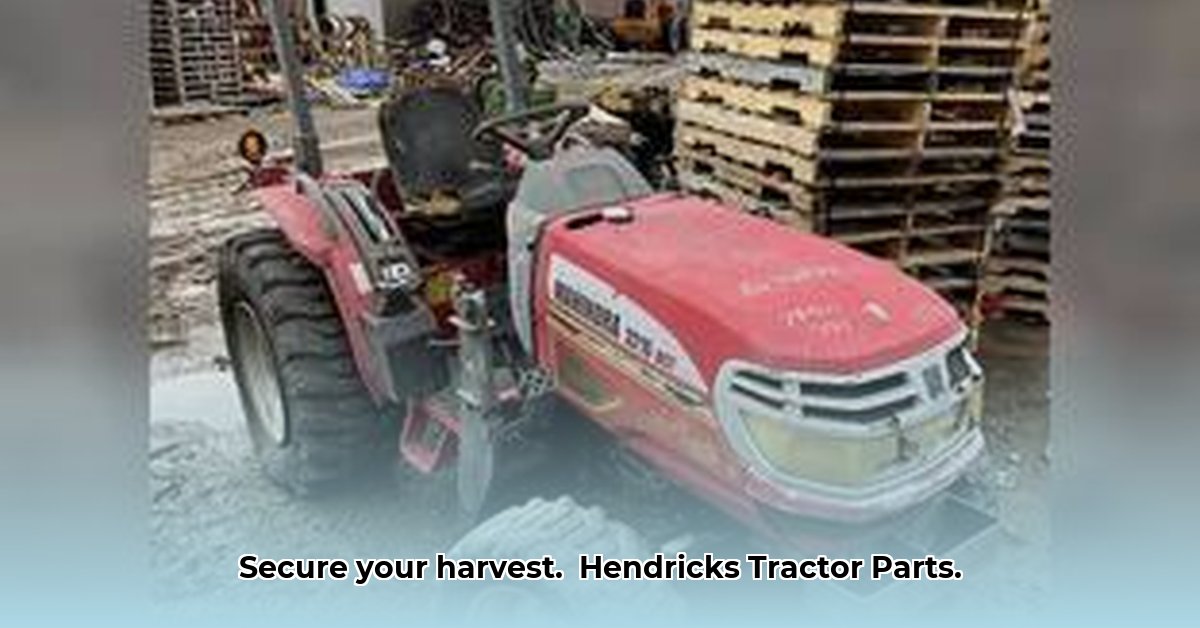
Farming is a demanding profession, requiring resilience in the face of unpredictable weather, market fluctuations, and equipment failures. Maintaining your Hendricks tractor is crucial to your success, especially if you're committed to sustainable agriculture. This guide provides actionable steps to build a robust parts supply chain, ensuring your equipment stays operational and your farm thrives, year after year. For reliable hydraulic hoses, check out this resource.
The Challenges of Sustainable Agricultural Parts Supply
Securing the right Hendricks tractor parts presents unique challenges. Fragmented supply chains, reliance on specific manufacturers, and the increasing demand for sustainable materials complicate the process. Imagine a vital part failing during a critical time, impacting your entire yield – this is a reality many farmers face. The environmental consequences of parts production and disposal also demand a sustainable solution. How can we ensure a reliable supply of parts while minimizing our environmental footprint?
Building a Resilient Parts Supply Chain: A Multi-Stakeholder Approach
Building a resilient supply chain requires collaborative efforts across different stakeholders - farmers, suppliers, government agencies, and original equipment manufacturers (OEMs). Each plays a vital role in achieving a more sustainable and reliable system.
For Equipment Owners/Farmers: Proactive Strategies for Success
Implement Smart Inventory Management: Track parts usage patterns to anticipate needs and avoid costly downtime. This proactive approach ensures essential parts are readily available when needed. Did you know that proactive inventory management can reduce downtime by up to 25%?
Diversify Your Suppliers: Don't rely on a single supplier. Explore multiple sources, including online platforms, to mitigate supply chain disruptions. This diversification strategy protects your operations from unexpected shortages.
Prioritize Preventative Maintenance: Regular maintenance is significantly cheaper than emergency repairs. A well-maintained tractor minimizes the need for frequent part replacements. Preventative maintenance can extend the lifespan of your equipment by as much as 30%.
Embrace the Circular Economy: Consider remanufactured or recycled parts. These options are often more affordable and significantly more sustainable, reducing waste and environmental impact. Recycling parts can reduce your environmental footprint drastically.
For Parts Suppliers: Enhancing Service and Sustainability
Diversify Inventory: Stock a broader range of parts, including those for less common models and sustainable farming equipment. This ensures availability to a wider customer base.
Foster Strategic Partnerships: Collaborate with OEMs and other suppliers to improve coordination and streamline the supply chain. Partnerships enhance communication and efficiency across the network.
Invest in Staff Training: Ensure your team is knowledgeable about the latest technologies and sustainable parts practices. A well-trained workforce provides superior customer service and support.
Modernize Cataloging: Utilize user-friendly online catalogs to allow farmers easy access to parts information. Efficient catalogs enhance customer experience and reduce search time.
Promote Remanufacturing & Recycling: Invest in processes that extend the life cycle of parts, promoting sustainability and reducing waste. This environmentally sound practice contributes to a healthier planet.
For Government Agencies: Policy and Infrastructure Support
Incentivize Sustainable Practices: Offer tax breaks or grants to encourage farmers and businesses to adopt sustainable parts and practices. These incentives accelerate the adoption of environmentally friendly technologies.
Support Remanufacturing Initiatives: Fund research and development to improve remanufacturing technologies and processes. Government support drives innovation and efficiency in the sector.
Invest in Rural Infrastructure: Improve transportation networks in rural areas to ensure timely delivery of parts. Efficient infrastructure enhances the accessibility of essential parts for all farmers.
For OEMs: Designing for Durability and Sustainability
Enhance Parts Availability: Increase production of common parts and improve communication regarding availability to avoid delays and frustration. Transparency cultivates trust and improves customer satisfaction.
Offer Extended Warranties: Provide longer warranties to give farmers greater confidence in the durability of equipment. Extended warranties offer peace of mind to farmers and reduce financial risk.
Design for Modularity: Use modular design to simplify repairs and reduce downtime. Modular design makes repairs easier and faster, resulting in reduced operational costs.
Explore Leasing Models: Consider leasing models to reduce the overall cost of ownership and encourage proper disposal methods. Leasing models can also provide access to cutting-edge technology.
Invest in Predictive Maintenance: Utilize data-driven technologies to predict potential failures and enable timely part replacements. Predictive maintenance minimizes unexpected downtime and maximizes equipment performance.
Case Study: A Farmer's Success with Sustainable Practices
(Insert a concise, impactful case study demonstrating the benefits of implementing these strategies.)
Conclusion: Securing a Sustainable Future for Agriculture
Building a resilient parts supply chain is vital for the long-term success of sustainable agriculture. By implementing the strategies outlined above, farmers, suppliers, government agencies, and OEMs can collectively create a more robust, reliable, and eco-friendly system that supports a thriving future for all. Remember: proactive planning today safeguards your farm’s prosperity for years to come.
Resources
(List relevant websites, organizations, and publications.)